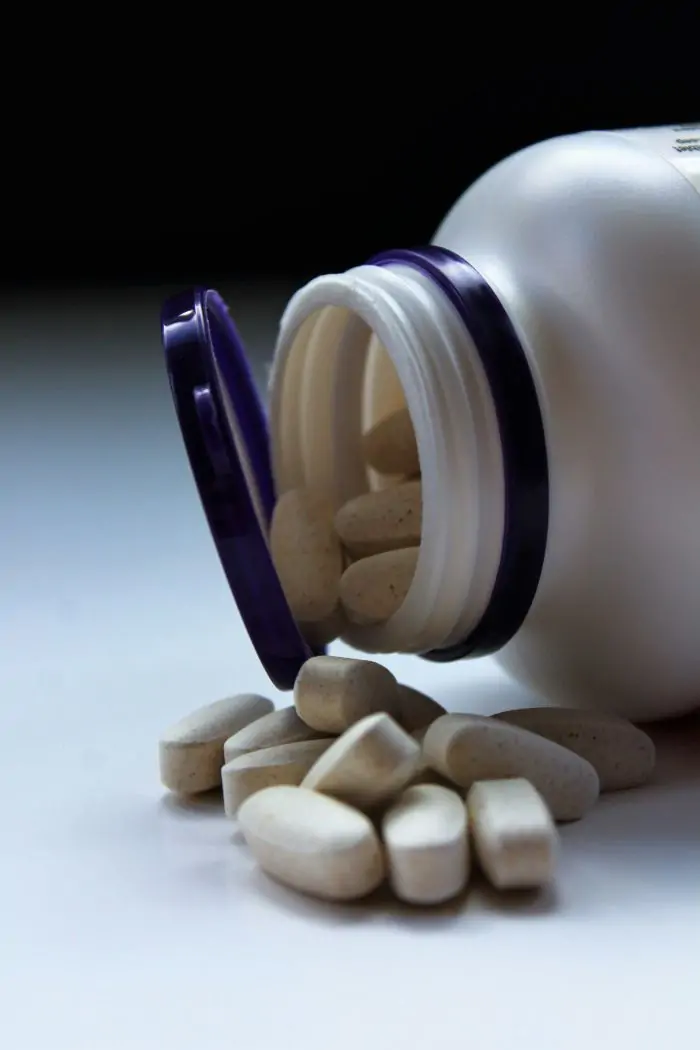
Got sick? Need an antibiotic? But do you really need them?
Antibiotics are widely prescribed to treat a range of bacterial illnesses. If they are used correctly on time, different bacterial infections can be effectively treated. Although antibiotics are widely used, they may not be effective for all diseases or health conditions.
Sure, here’s a refined version of your sentence. In this blog, we explored key signs of infections that may require antibiotics. Recognizing these signs can support timely and appropriate antibiotic use.
For which infections do antibiotics work?
Antibiotics only treat bacterial infections and do not work against viral diseases. Here are the following bacterial infections for which antibiotics are generally prescribed:
- Strep Throat
- Whooping Cough
- Urinary Tract Infection (UTI)
- Bacterial pneumonia
- Particular sinus and ear infections
- Skin infections like cellulitis, impetigo, and staph infections
- Certain sexually transmitted diseases, like chlamydia and gonorrhea
How do Antibiotics work?
5 Signs Your Infection Might Need Antibiotics
Although antibiotics are effective against certain bacterial infections, they might be ineffective against viral infections. Before popping up a tablet, check out the following signs your infection might need antibiotics:
High Fever
Generally, a fever above 102.2°F (39°C) or a fever that persists for more than a few days can indicate a bacterial infection. In some cases, severe body pain may indicate a bacterial infection.
Azithromycin 250 mg Tablets are often prescribed for the initial stages of bacterial infectins causing fever. Upon proper treatment, doctors increase the necessary doses.
Severe Pain
Severe facial pain, particularly around the forehead, eyes, or cheeks, or severe ear pain, especially in children, could indicate a bacterial sinus or ear infection.
Thick, Yellow or Green Nasal Discharge
While a runny nose is associated with many illnesses, thick, yellow, or green nasal discharge can be a sign of a bacterial sinus infection, especially if accompanied by facial pain and pressure.
For many cases, doctors might prescribe antibiotics like Doxycycline 100mg as a single dose or within the Ziverdo Kit. They can be effective for respiratory tract infections such as pneumonia, sinusitis, and bronchitis.
Symptoms Worsening after Initial Improvement
If you initially feel like you’re starting to get better but then experience a relapse with more severe symptoms, it could indicate a bacterial infection.
Symptoms Lasting more than 10 days After Improvement
If your symptoms persist for more than 10 days without improvement, it’s a good idea to consult a doctor, as a bacterial infection may be present.
Possible Side Effects of Antibiotics
Your antibiotic might impose specific side effects during and after consumption. Here’s what you might experience:
- Diarrhea and colitis
- Dizziness and Fatigue
- Skin rashes, hives, flushes, and blisters
- Nausea and vomiting
- Yeast infections
- Allergic reactions
- Inflammation in the face, lips, tongue, or throat
- Breathing trouble
When Should You Not Take Antibiotics?
Certain health conditions may cause symptoms that might prompt you to take antibiotics. However, without your doctor’s specific instructions, do not determine antibiotic dosage on your own.
Here’s when you should not take antibiotics:
- Someone else’s prescribed antibiotics
- You finish your prescribed dosage and have a resolved illness.
- You have a viral infection, such as bronchitis or the flu.
Why can’t Antibiotics treat viral infections?
Antibiotics work by disrupting essential bacterial processes, such as cell replication and repair. When these functions are blocked, the bacteria can no longer grow or survive, leading to their gradual destruction.
However, in the case of viruses, the antibiotics cannot target a virus’s metabolism, as they do not have living cells. To destroy viruses, antivirals are formulated with specific compositions.
How long does it take antibiotics to work?
It depends on the type of antibiotics that you have taken. For instance, Iverheal 6 mg tablets and 12 mg tablets are prescribed to treat specific symptoms of a bacterial infection affecting the digestive system. Such antibiotics might last for 12 to 16 hours or 2 to 3 days.
You may feel better in just a few days, provided you complete the medicinal cycle. Your symptoms might ease up before the infection is totally gone from your body.
Do antibiotics cause diarrhoea?
Diarrhoea is a common side effect of antibiotics. However, it is primarily a temporary issue rather than a permanent one. However, if diarrhoea persists, get a checkup, as severe conditions may develop.
If you develop diarrhea while taking antibiotics or shortly after finishing them, inform your healthcare provider, especially if it persists or worsens. They may evaluate your symptoms and run tests to check for a possible C. diff infection.
Can I be allergic to antibiotics?
Yes, allergic reactions to antibiotics aren’t uncommon. An allergic outbreak can happen from mild to severe. If it’s mild, you might have an itchy rash called hives. If the outbreak is severe, you might experience:
- Blistering of your skin.
- Swelling of your face, lips, tongue, or throat.
- Breathing problems, including wheezing.
Connect with your doctor immediately if you have an allergic reaction to prevent severe complications, such as breathing problems.
A Note from Buy Steroids
Whenever you feel sick, do not impulsively pop any medicine. Consult your doctor for the right medicine in its correct dose.
At Buy Steroids, we focus on the well-being and safety of our patients. If you are down with a fever, cough, cold, or any kind of pain, connect with your healthcare professional. Upon prescribing antibiotics, always adhere to the clinical guidance. Do not experiment with the medicine on your own, for your health is highly precious.