Antibiotics play a vital role in treating infections caused by bacteria. However, common misconceptions about medicine use often lead people to take antibiotics even for minor illnesses. The truth is, excessive or unnecessary antibiotic use can harm your health. So how do you know when antibiotics are truly needed?
That’s why we’ve created this comprehensive guide to help you understand when to use antibiotics and when to avoid them. Here’s what you need to know.
For which infections do antibiotics work?
Antibiotics only treat bacterial infections and do not work against viral diseases. Here are the following bacterial infections for which antibiotics are generally prescribed:
- Strep Throat
- Whooping Cough
- Urinary Tract Infection (UTI)
- Bacterial pneumonia
- Particular sinus and ear infections
- Skin infections like cellulitis, impetigo, and staph infections
- Certain sexually transmitted diseases, like chlamydia and gonorrhoea
How do most antibiotics work?
Antibiotics work by killing bacteria or stopping them from multiplying. Most antibiotics kill bacteria by disrupting crucial parts of their cell walls or DNA. As a result, they fail to sustain within the host body. Some antibiotics stop bacteria from making the protein they need to multiply.
Having an antibiotic for every cough, flu, cold, fever, diarrhoea, or pain is not the solution. Before you buy antibiotics online, it is crucial to check your body signs.
5 Signs Your Infection Might Need Antibiotics
Although antibiotics are effective against certain bacterial infections, they might be ineffective against viral infections. Before popping up a tablet, check out the following signs your infection might need antibiotics:
High Fever – Generally, a fever above 102.2°F (39°C) or a fever that persists for more than a few days can indicate a bacterial infection. In some cases, severe body pain may indicate a bacterial infection.
Azithromycin 250 mg Tablets are often prescribed for the initial stages of bacterial infectins causing fever. Upon proper treatment, doctors increase the necessary doses.
Severe Pain – Severe facial pain, particularly around the forehead, eyes, or cheeks, or severe ear pain, especially in children, could indicate a bacterial sinus or ear infection.
Thick, Yellow or Green Nasal Discharge – While a runny nose is associated with many illnesses, thick, yellow, or green nasal discharge can be a sign of a bacterial sinus infection, especially if accompanied by facial pain and pressure. For many cases, doctors might prescribe antibiotics like Doxycycline 100mg as a single dose or within the Ziverdo Kit. They can be effective for respiratory tract infections such as pneumonia, sinusitis, and bronchitis.
Symptoms Worsening after Initial Improvement – If you initially feel like you’re starting to get better but then experience a relapse with more severe symptoms, it could indicate a bacterial infection.
Symptoms Lasting more than 10 days After Improvement – If your symptoms persist for more than 10 days without improvement, it’s a good idea to consult a doctor, as a bacterial infection may be present.
What is Antibiotic Resistance?
Antibiotic Resistance is a significant problem affecting individuals who frequently consume such medicines. However, the untimely or excessive use of antibiotics can lead to antibiotic resistance, meaning the bacteria causing the infection are now resistant to the drug’s mechanism of action. Hence, even if the same antibiotic is taken, it fails to work against the infection.
Antibiotic resistance commonly develops when a prescribed course is not completed, antibiotics are taken unnecessarily or too frequently, or used incorrectly. Over time, such misuse can cause severe internal health complications.
For which infections will antibiotics not work?
Antibiotics will not work on viral infections, as they are formulated to fight only bacterial structures. Here are some of the common diseases for which antibiotics will not work:
- Common cold and runny nose
- Influenza (Flu)
- Most coughs and Bronchitis
- Most Sore Throats
- Many Sinus and Ear Infections
- COVID-19
- Fungal Infections
- Parasitic Infections
- Allergies and Chemical Irritants
How can you combat antibiotic resistance?
Combatting antibiotic resistance is not impossible. Healthcare professionals make a reasonable effort to improve clinical procedures to treat antibiotic resistance.
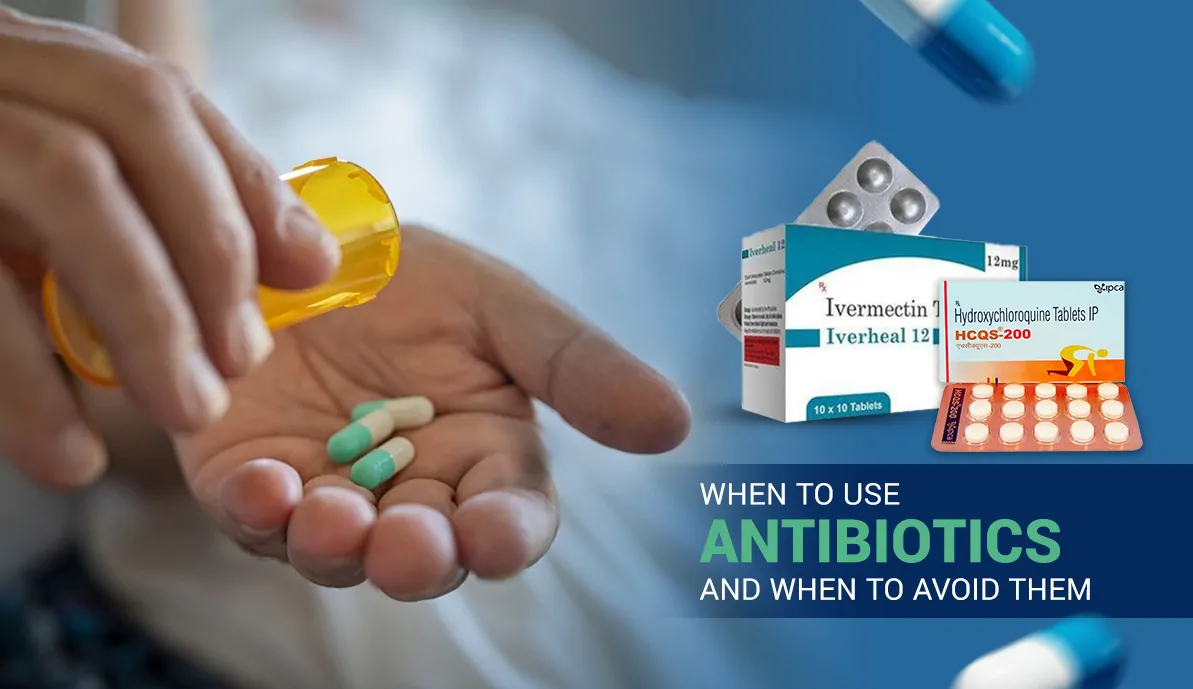
For instance, repurposed Iverheal drugs were initially prescribed at low doses. Gradually, the doses were increased to Iverheal 12 mg tablets and related doses to control the various symptoms of SARS-CoV-2. Although Iverheal tablets did not cure viral infections, certain benefits, such as an immune boost and a lower mutation rate, were achieved.
Here are the other ways you can prevent antibiotic resistance:
- Don’t use antibiotics for viral infections.
- When you take antibiotics, complete the prescribed course.
- Maintain dose, duration and pattern of consumption.
- Don’t share your antibiotics with anyone else, as your dose is specifically prescribed for you.
- Maintain good hygiene habits to prevent bacterial and viral infections.
- Only take antibiotics when you need them.
- If your doctor recommends it, get vaccinated against different infections.
Bottom Line
When you get sick, one of the first steps is to understand the kind of medicine you’re taking. At Buy Steroids, we prioritise your physical and mental well-being by offering FDA-approved medications.
Antibiotics have always been powerful medicines for treating various bacterial infections. What you need to note is how well your body is responding to them and how you can prevent antibiotic resistance.
For any further queries or to better understand the product, connect with us today.